

SIBO (Small Intestinal Bacterial Overgrowth) Treatment

Customized Integrative SIBO Treatment
Effective, personalized care to eliminate Small Intestinal Bacterial Overgrowth (SIBO) and restore your gut health for good
How We Treat SIBO at The Clara Clinic
Feeling bloated after every meal or when stressed out? Frustrated when eating out, shopping for groceries, or cooking? Have unexplained skin problems, stool changes, fatigue, worsening allergies, or new food sensitivities? Have you had limited results with previous treatment and/or frequent relapses? If this sounds like you, you’re in the right place. Our team is here to help you take the guesswork out of taking control of your SIBO, and provide you with a customized and realistic treatment plan.
While many treatments focus on surface-level symptom relief, our approach combines thorough assessments, lab testing, lifestyle guidance, and consistent follow-up and monitoring. This integrated method ensures you feel supported at each stage of the journey. By looking deeper than the symptoms alone, we can craft a personalized plan to help you eradicate SIBO, optimize gut function, and get back in sync with your day-to-day life. Read on to learn about our 3 Step Microbiome Reset Program and how we support you every step of the way.
What is SIBO Anyway?
Small Intestinal Bacterial Overgrowth, commonly known as SIBO, is a condition where there are too many bacteria in the small intestine, a part of the digestive system where such bacteria are usually few. This overgrowth can cause a range of uncomfortable digestive symptoms, such as bloating, gas, and diarrhea. SIBO occurs when the balance of bacteria in the gut is disrupted, leading to issues with digestion and nutrient absorption. The root cause of SIBO often stems from a slow-moving small intestine, which allows bacteria to accumulate. This slowdown can be triggered by various factors, such as certain medications, stress, or a history of food poisoning. While it can be challenging to deal with, SIBO is a treatable condition, and with the right approach, many people find relief and a return to normal digestive health.
Common Symptoms of SIBO We Treat
Abdominal bloating after meals
Abdominal pain or discomfort after meals
Excessive gas or burping
Nausea
Heartburn
Chronic sensation of fullness
Diarrhea
Rosacea, acne, and eczema
Food sensitivities or triggers
When someone has SIBO, they often experience a variety of uncomfortable symptoms. The most common ones include persistent bloating, excessive gas, abdominal pain, and changes in bowel habits, such as diarrhea or constipation. These symptoms usually appear after eating and can make it difficult to enjoy meals. Some people with SIBO also experience fatigue, unintentional weight loss, and even nutritional deficiencies because the bacteria interfere with the absorption of essential nutrients. While these symptoms can be quite distressing, it's important to remember that they are manageable with the right treatment plan.
What Causes SIBO?
With a good understanding of the underlying cause, you can have normal digestion, and eliminate bloating and pain after meals. It is possible to reverse gut
SIBO is one of the most common causes of gas, bloating, abdominal pain, and altered stool quality lasting longer than 3 months. Many cases of SIBO stem from an autoimmune reaction to previous intestinal infections like food poisoning. This reaction can decrease movement (motility) of our intestines, causing excessive fermentation of foods (lots of unexplained gas!), immune system overactivity, and food sensitivities. In addition, you may have chronic constipation, loose stools, or a mix of both.
Testing for SIBO
It's important to test for SIBO because its symptoms can easily be confused with other digestive issues, making accurate diagnosis crucial for effective treatment. The most reliable way to diagnose SIBO is through a lactulose breath test. This non-invasive test measures the levels of hydrogen and methane gases in your breath after consuming a lactulose solution. These gases are produced by bacteria in the small intestine, and elevated levels can indicate the presence of SIBO. By confirming a SIBO diagnosis with this test, healthcare providers can tailor a treatment plan that addresses the root cause of your symptoms, leading to better outcomes and improved quality of life.
What To Expect from Naturopathic SIBO Treatment
Treatment for SIBO is not only possible but can be highly effective in alleviating symptoms and restoring digestive health. The approach to treatment will depend on the types of bacteria present and the severity of the overgrowth. Common treatments may include herbal antimicrobials, nutritional supplements, and temporary dietary changes designed to reduce the bacteria in the small intestine and restore a healthy balance. If you suspect you have SIBO or have been diagnosed with it, the experienced practitioners at Clara Clinic are here to guide you through the process. By making an appointment, you can receive a personalized treatment plan tailored to your specific needs, helping you get back to feeling your best.
Microbiome Reset: Our 3-Step Approach to Reducing Chronic Gas, Bloating, and Abdominal Pain
Our three-step program for treating SIBO is designed to address the condition comprehensively, ensuring both immediate relief and long-term gut health. Becoming symptom-free takes time, but once the gut healing process is underway, it is possible to enjoy cooking and eating out once again! The ultimate goals of our program are to help you eat your favorite foods, and then teach you how to prevent and tackle future relapses.
our 3 step protocol
Test & Prep - The first step is all about ensuring we have the right diagnosis and setting the foundation for successful treatment. We begin by conducting a lactulose breath test to confirm the presence of SIBO and determine the types of bacteria involved. Alongside this, we prepare your gut for treatment by regulating bowel movements and reducing gas production, which helps to minimize discomfort and sets the stage for the microbiome reset that follows.
Tame the Overgrowth- Once we've confirmed the diagnosis, we move on to addressing the root of the problem: the bacterial overgrowth. This step involves targeted treatments, such as antibiotics or herbal antimicrobials, to eliminate the excessive bacteria in the small intestine. By reducing the bacterial load, we allow the small intestine to start healing, which is crucial for relieving symptoms and restoring normal digestive function.
Sustain & Maintain - The final step focuses on long-term health and preventing the recurrence of SIBO. During this phase, we work on restoring the proper function of your small intestine by implementing dietary changes, supporting gut motility, and reinforcing a healthy gut microbiome. This step is essential for alleviating any remaining symptoms and ensuring that you maintain a balanced and healthy digestive system moving forward.
By the end of this program, we want you to walk away feeling empowered, and in control of your gut health. With a revitalized healthy gut, you may also experience the indirect results of lifted brain fog, increased energy, improved sleep quality, decreased anxiety, and weight loss.
Start Your Journey to Better Digestion at The Clara Clinic
You do not have to tolerate feeling bloated and in pain after every meal, or during stress. If you have been struggling with SIBO, and want to learn more, we offer:
Complimentary 15 minute consults with our chief Naturopathic Doctor focusing on digestion, Dr. Mitchell Schroeder, ND.
In-Person Appointments for those looking for SIBO Treatment in Toronto
Virtual Appointments for those looking for remote SIBO Treatment in Ontario
We’re here for you to help break through the confusion surrounding SIBO and chart a clear, actionable path to better gut health!
Looking for Support?
Meet our Gut Health Naturopathic Doctor
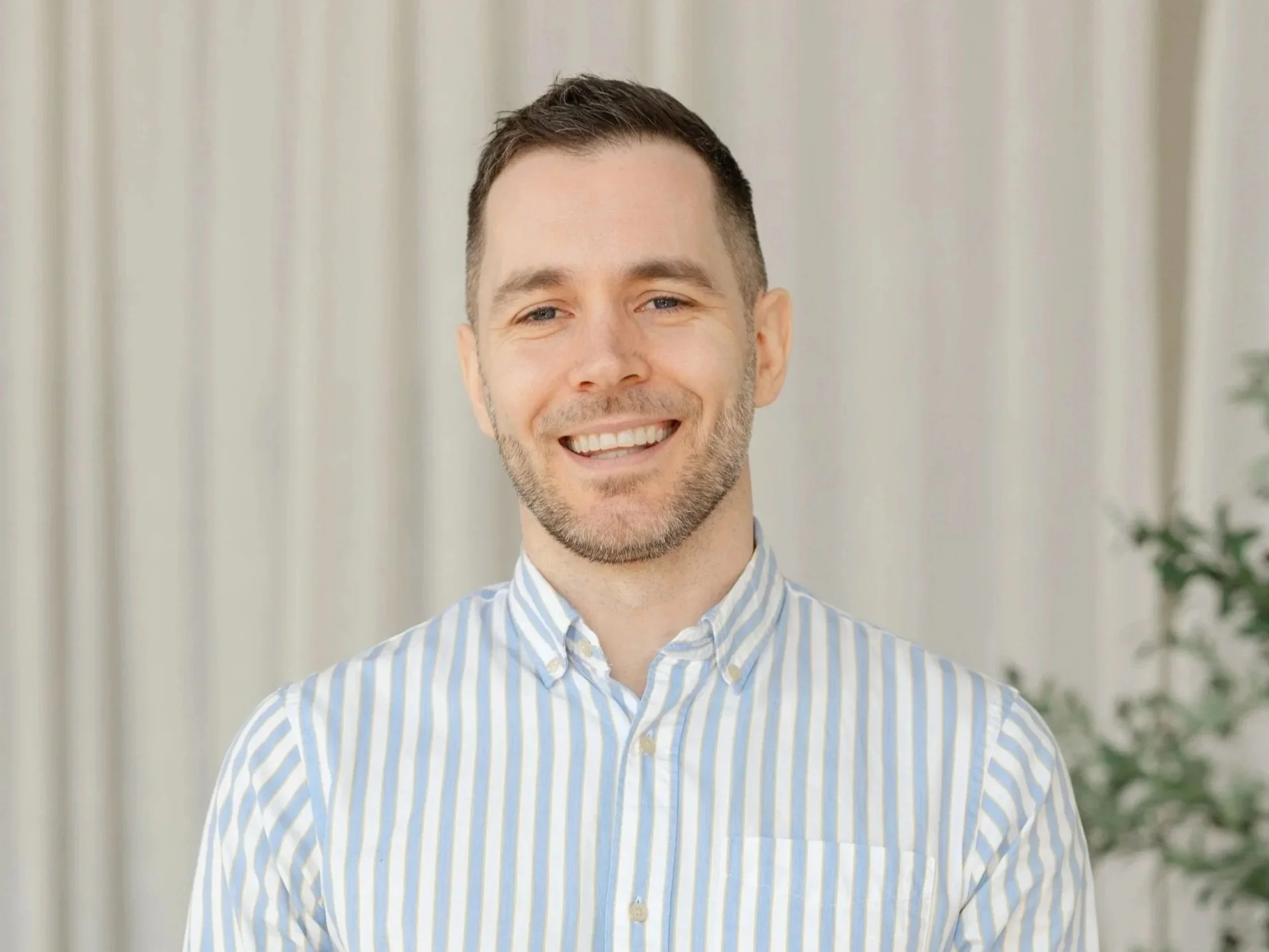
dr. Mitchell SChroeder, nd
Dr. Mitchell Schroeder, ND, leads SIBO and IBS care at The Clara Clinic in Leslieville, Toronto. His practice is focused on digestive health, including hydrogen SIBO, IMO (methane SIBO), and relapse prevention. You can learn more about his practice here

SIBO FAQs: Your Questions About Naturopathic SIBO Treatment, Answered
What is SIBO and how do I know if I have it?
Small Intestinal Bacterial Overgrowth (SIBO) occurs when bacteria that normally reside in the large intestine migrate into and colonize the small intestine, where they don't belong. The result is fermentation of food in the wrong part of the digestive tract, producing excess hydrogen and/or methane gas and triggering a cascade of uncomfortable symptoms. The most reliable way to diagnose SIBO is through a lactulose breath test, which measures the gases produced by these bacteria and can help identify both the presence of SIBO and the type. Common signs that SIBO may be the culprit include bloating that starts shortly after eating, excessive gas, abdominal pain, chronic constipation or diarrhea, and symptoms that have persisted despite dietary changes.
How is SIBO different from IBS — and could I have both?
This is one of the most important questions in gut health, and the honest answer is that SIBO and IBS overlap considerably. IBS is a clinical diagnosis given when chronic digestive symptoms can't be explained by another identified condition — it describes a symptom pattern, not a cause. SIBO is one of the most common underlying causes of symptoms that end up being labelled as IBS. Research suggests that a significant proportion of people diagnosed with IBS actually have unidentified SIBO. So yes, you can have both — in the sense that SIBO may be driving what has been called IBS — but treating the SIBO specifically often resolves or dramatically improves the IBS symptoms. At The Clara Clinic, we test before assuming, because the treatment approach differs.
What causes SIBO and why does it keep coming back?
SIBO is rarely a random occurrence — it has underlying drivers, and failing to identify and address them is why so many people relapse after treatment. The most common root causes include impaired gut motility (the small intestine isn't clearing bacteria effectively between meals), a history of food poisoning or gastroenteritis that triggered an autoimmune response and damaged the gut's housekeeping mechanism (the migrating motor complex), low stomach acid, prolonged use of proton pump inhibitors (PPIs) or certain antibiotics, structural issues in the digestive tract, and chronic stress, which directly suppresses gut motility. Our Microbiome Reset Program addresses not just the bacterial overgrowth but the underlying motility and predisposing factors — which is the key difference between treatment that sticks and treatment that doesn't.
What does SIBO testing involve, and do I need a referral?
The lactulose breath test is the primary diagnostic tool for SIBO at The Clara Clinic. It's non-invasive: you drink a lactulose solution and then breathe into collection tubes at timed intervals over a few hours. The gas levels in your breath reveal whether bacteria are fermenting in the small intestine and in what quantities. You do not need a referral from your GP to access this test through our clinic. We requisition it directly and review the results in the context of your full symptom picture and health history.
Can SIBO be treated without antibiotics?
Yes. Herbal antimicrobials are a well-established and evidence-supported approach to reducing bacterial overgrowth in the small intestine. Protocols typically include combinations of botanicals such as berberine, oregano oil, allicin, and others — chosen based on the type of SIBO you have (hydrogen-dominant vs. methane-dominant/IMO). Research has shown certain herbal antimicrobial protocols to be comparable in effectiveness to rifaximin, the antibiotic most commonly used for SIBO. In some cases, particularly with methane-dominant SIBO (now also referred to as intestinal methanogen overgrowth or IMO), a combination approach may be most effective. We discuss all options with you and tailor treatment to your test results, health history, and preferences.
Why does my bloating seem to get worse when I eat "healthy" foods like garlic, onions, beans, or apples?
Because many of the foods commonly labelled "healthy" are also high in fermentable carbohydrates — categorized collectively as FODMAPs (fermentable oligosaccharides, disaccharides, monosaccharides, and polyols). In a gut with SIBO, these foods feed the bacterial overgrowth and dramatically increase gas production and bloating. This is why so many SIBO patients find themselves eating less and less but still bloating — it's not the quantity of food, it's the type. A low-FODMAP approach is often used as a temporary strategy during SIBO treatment to reduce fermentation and symptom load while the underlying overgrowth is being addressed. It's not meant to be a permanent diet — the goal is to restore a healthy gut that can tolerate a full range of foods again.
I've been treated for SIBO before and it came back. What's different about your approach?
Relapse is the most common frustration we hear from SIBO patients, and it's almost always due to one of two things: incomplete treatment of the overgrowth, or failure to address the underlying factors that allowed SIBO to develop in the first place — most commonly impaired gut motility. The Step 3 of our Microbiome Reset Program — Sustain and Maintain — is specifically designed to prevent relapse by reestablishing proper gut motility, reinforcing the migrating motor complex with prokinetic support, rebuilding a healthy microbiome, and teaching you how to recognize early warning signs and manage them before they become a full relapse. We also use follow-up breath testing to confirm eradication rather than assuming treatment worked.
What's the connection between SIBO and skin conditions like rosacea, acne, or eczema?
The gut-skin connection is well-documented, and SIBO has a particularly strong association with rosacea — studies have found significantly higher rates of SIBO in rosacea patients compared to controls, and successful SIBO treatment has been shown to improve or resolve rosacea in some patients. The mechanism involves intestinal permeability: when the gut barrier is compromised by bacterial overgrowth and the resulting inflammation, bacterial byproducts can enter systemic circulation and trigger immune responses that manifest in the skin. Acne and eczema have similar gut-driven inflammatory pathways. If you've been treating your skin externally without relief, it's worth investigating whether your gut is the source.
How long does SIBO treatment take, and when will I feel better?
The active treatment phase for SIBO is typically 4 to 8 weeks, depending on the severity of overgrowth and whether herbal or pharmaceutical antimicrobials are used. Many patients notice a meaningful reduction in bloating and gas within the first 2 to 3 weeks of the antimicrobial phase, though some experience a temporary worsening before improvement (as dying bacteria release gas). The full Microbiome Reset Program, including the motility support and gut-rebuilding phase, typically runs 3 to 4 months. Follow-up breath testing confirms eradication. We'll give you realistic, honest timelines at the start so you always know what to expect.
Do you offer virtual SIBO care in Ontario?
Yes. We offer virtual naturopathic appointments for SIBO care to patients anywhere in Ontario. Virtual care through The Clara Clinic is conducted on Jane, a secure and PIPEDA-compliant platform. Everything we offer in-person — comprehensive intake, lab requisitions, treatment planning, ongoing monitoring, and coaching — is available virtually. If you are outside of Toronto but within Ontario, virtual care is a seamless option.

Sign up for news + updates

Ready to make a change?
